On Tuesday at the White House, the leaders of the biggest AI companies signed a voluntary accord to police their own work. OpenAI, Anthropic, Google, Meta and Nvidia were among those at the table, and President Trump described the document as “almost like a constitution”.
It is a good step. The companies building the most powerful models have put their names to a set of controls and agreed to have someone outside check them. But notice who it covers. The accord is about how the labs build their models. It says nothing about how your business uses them, and nobody is going to sign that one for you.
Four commitments, all voluntary
As reported, the companies committed to the following. None of it is law. Speaker Mike Johnson called it voluntary, and when asked if it was binding, the President said it was “morally” binding.
Internal controls
“Robust internal controls” over how their AI systems are built and released.
An outside auditor
An “independent external auditor” to check whether those controls actually work.
Board oversight
Board level committees to review what the auditor reports back.
The fourth is the one closest to home for any business: that AI tools do not “hack or access technical systems in unintended ways”. The accord itself notes that “over time, it may make sense to codify these steps into laws and regulations.”
73 percent of people worry AI companies have not done enough to prevent serious harm.
Reuters/Ipsos poll, 17 to 20 September 2026Your business needs its own accord
The accord covers the model. Your risk sits in everything around it: which inboxes an agent can open, which client files it can read, what it is allowed to send without asking, and where the record of all that is kept. Those are your rules to write, and they are much easier to keep when the system runs on infrastructure you own.
Your own controls
Access is given job by job, on your own accounts. The system that drafts a proposal never gets your payroll, because you never gave it to it.
Your own audit trail
Every file it reads and every draft it writes lands in a vault on your own hardware. You can check it yourself, or hand it to your accountant or lawyer.
Binding, because it is yours
You do not need anyone to agree to your rules. Revoke a connector and it is gone. Unplug the Mac Studio and the agent stops.
The business’s memory, in files you keep
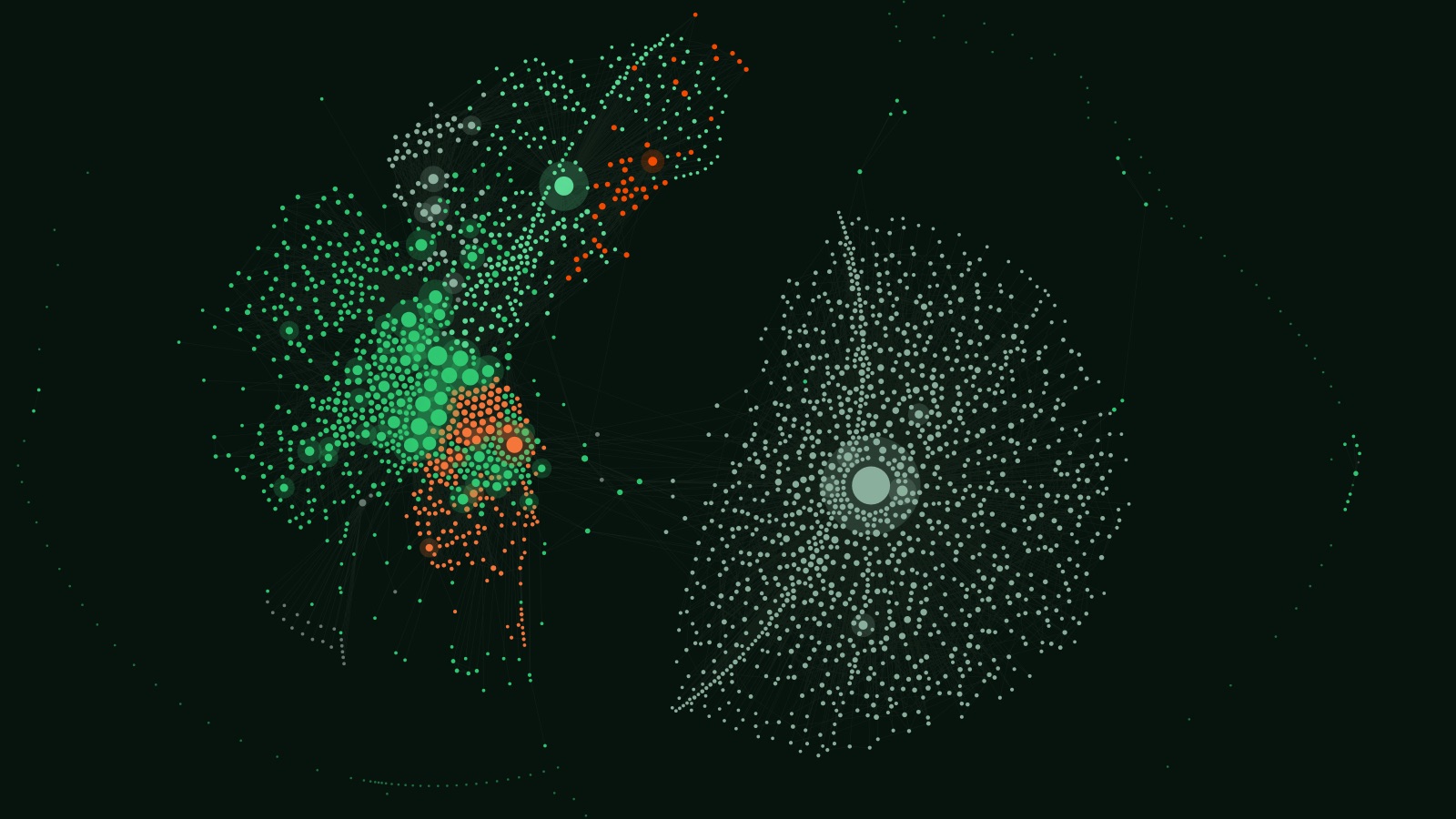
In a rented app, memory lives on the provider’s side. In your own infrastructure it is a vault built in Obsidian: plain text notes, linked like a brain, sitting on your own machine. It is why the AI knows the business instead of guessing, and you can open it any time.
Written down
Calls, emails, decisions and procedures become plain notes.
Linked
Notes link to people, clients and jobs, like a brain.
Read first
Before it answers or drafts, the AI reads the notes that matter.
Written back
What it learns goes back in, so it gets better every week.
Rent an AI, or own one
Flip the switch to compare.
Self regulation starts at your desk
Whatever you think of voluntary rules for the labs, the pattern is worth borrowing. Decide what your AI is allowed to do, have it keep a record you can read, and check that record now and then. The labs have agreed to do that for their models. A business can do it for its own work, starting today.
Scalus runs on exactly this setup: the connectors, the computer and the record of every job, all in our own hands. If you want AI working in your business under rules you set, that is the conversation we like having.
Sources: Al Jazeera, Trump and top tech firms sign accord · PBS NewsHour, accord signed by top AI companies · US News and Reuters, AI accord with tech executives · CNBC, a morally binding agreement. Every company named here is shown to identify it. Scalus is not affiliated with any of them.
